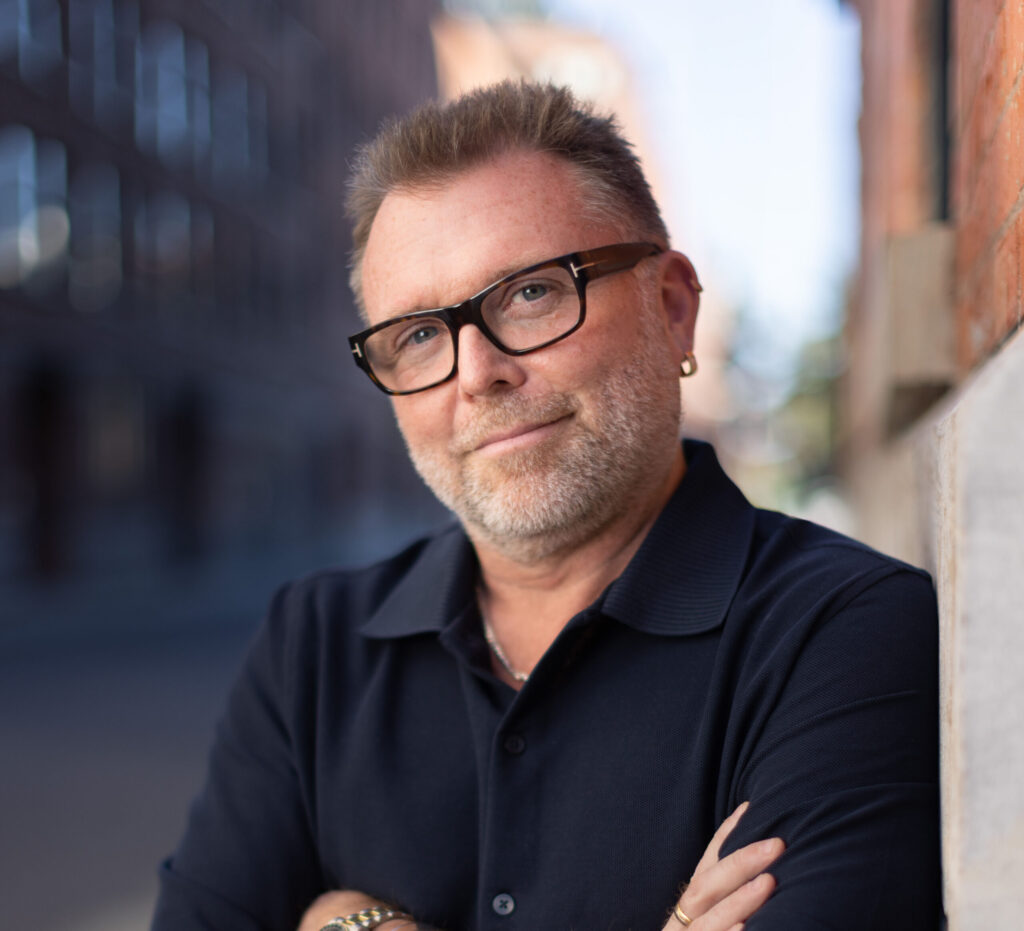
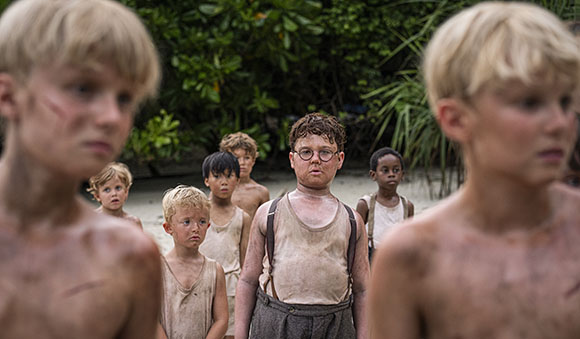
Netflix’s Lord of the Flies is based on the novel and follows a group of schoolboys that find themselves stranded on a tropical island following a deadly plane crash. The series began streaming on May 4th and features an original score by composers Cristobal Tapia de Veer, Hans Zimmer and Kara Talve. Niv Adiri (pictured) served as supervising sound designer & re-recording mixer on the show, and recently shared insight into his work with Post.
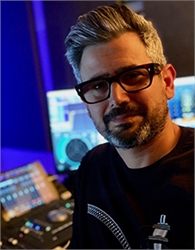
“As the re-recording mixer on Lord of the Flies, my role in the final mix was to shape the overall sonic experience of the show and bring clarity, emotion and impact, making sure there’s a clear arc to the soundtrack,” shares Adiri. “I’ve balanced dialogue, music, atmospheres and sound design elements to create a cohesive and immersive soundtrack that supported the tension and psychological intensity of the story.”
The show’s final mix involved refining performances through detailed dialogue editing, enhancing the scale and realism of the island environment, and carefully controlling dynamics to maintain emotional focus throughout the series. From intimate character moments to chaotic sequences, the sound team focused on ensuring every sonic element served the narrative while meeting broadcast delivery standards.
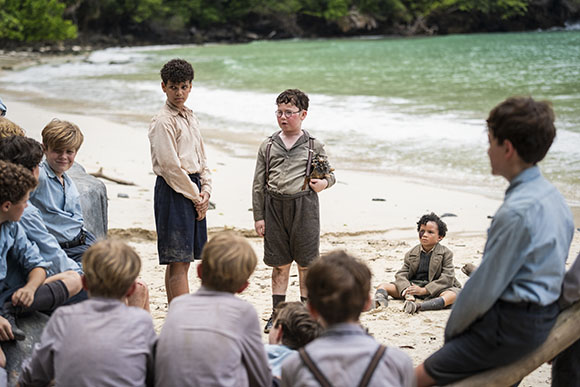
“The sound language of Lord of the Flies relied on contrast, spatial awareness and psychological resonance,” Adiri explains. “The mix had to walk a fine line between naturalistic realism and heightened cinematic expression, supporting tension, isolation, survival and the characters’ inner turmoil. Every sonic choice — from subtle ambient cues to explosive, chaotic peaks — served the story’s themes and emotional arcs.”
Co-sound designer Tom Sayers created a large selection of drones for director Marc Munden to draw from while in editorial, and in some cases, worked well with the score to create an emotionally-driven soundtrack.
“Drones have a special ability create tension when you don’t necessarily hear them but feel them,” says Adiri. “Some drones were electronic, but a lot were made from organic textures, like insects, winds and waves.”
Cleaning up the production sound was also a challenging job, as the series was shot in extremely-noisy locations.
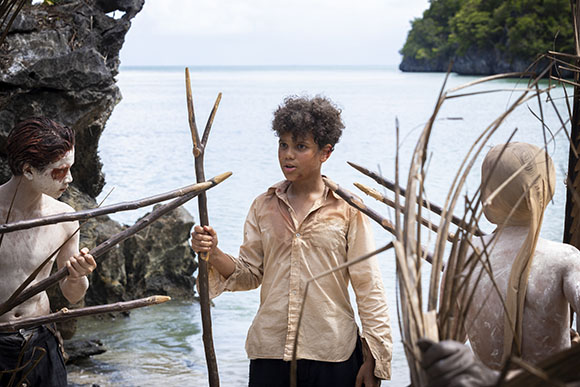
“We’ve used tools like (Accentize) dxRevive and (Accord Digital’s) Extract:Dialogue 2, as well as (Isotope) RX tools to clean up, and in some cases, rebuild the production dialogue recordings,” Adiri shares. “We also had a few crowd walla sessions.”
He points to the fire scene as being one of the most interesting from a sound perspective.
“It’s a study in controlled chaos, escalating tension and psychological intensity,” he shares. “Sound and music all serve the narrative arc —from playful curiosity, when the boys first light the fire, to frightening loss of control — and finishes with Piggy [realizing] the extreme situation they are all in. It’s a perfect setup for the rest of the series. I love how the first sound we hear in Episode 1 is Piggy’s breaths, and the last sound we hear on that episode is Piggy breaths through the conch.”