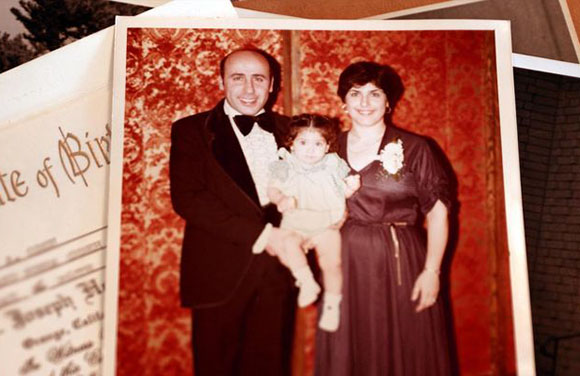
Who Killed Alex Odeh? is a new documentary about the assassination of the beloved Palestinian/American activist in Southern California and a 40-year quest for justice. The film reveals the roots of a dangerous political movement that thrives today.
Odeh was an activist, teacher and poet who served as a leading voice in his community, advocating in the media for peace and justice through dialogue and respect for all people. In October 1985, he was assassinated by a tripwire bomb placed in his office. Despite evidence and suspects identified at the time, no one has ever been held accountable for this act of political violence.
Directors Jason Osder and William Lafi Youmans combined archival footage and contemporary investigation to look back at the murder and trace the extremist forces that may have been behind his death. The film received a “US Documentary Special Jury Award” for “Journalistic Excellence.”
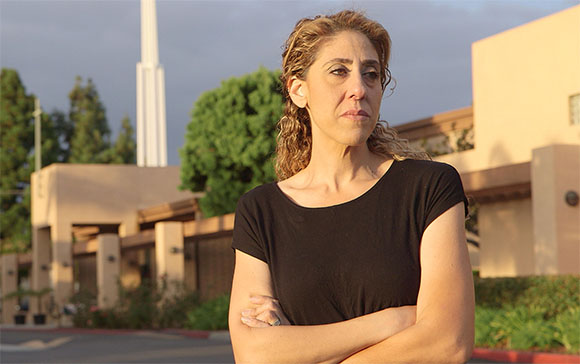
Tyler H. Walk and Anne Alvergue both worked as editors on the documentary, which features an original score by composer Dana Kaproff.
“I had worked briefly with Jason on another political project,” shares Alvergue. “When he started to develop this new film with Will, he circled back to me to build a fundraising trailer. From that, they received the IDA Enterprise grant, enabling me to come back and cut for about five months off and on to complete a first rough cut in 2023.”
As the film’s early editor, Alvergue was tasked with navigating an immense archival collection and years of contemporary footage in order to uncover a clear narrative.
“This was before Premiere had generative AI features and Productions,” Alvergue notes. “We initially created separate thematic bucket projects, roughly acting like Productions, pulling footage into a separate cuts project. It was slow but worked.”
In the beginning, much of the present-day material featured journalist David Sheen delivering long presentations and litigating his case, methodically laying out the evidence he had gathered.
“The challenge was how to dynamically position him within the film alongside the filmmakers’ investigation,” Alvergue explains. “By reframing this material as reporting on the ground, we were able to energize the contemporary storyline and allow his narrative to pick up where the cold case left off.”
After the initial rough cut, project went on hiatus to fundraise, and Alvergue left to work on another project and her own film. Tyler Walk then took over the edit, refining the structure and bringing the film to completion.
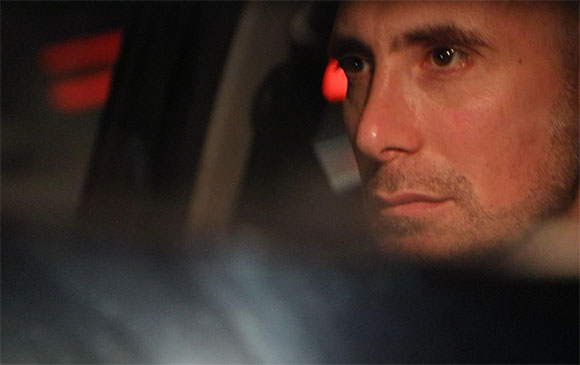
“I was contacted by the directors at the beginning of 2023,” Walk recalls. “They had been looking for an editor after Anne, and we had a few meetings to discuss where the film was and what they wanted to accomplish. I could immediately sense their passion for the subject, and it was clear there was room for creativity. We decided to collaborate, and I began working from the rough cut Anne had created. I wasn’t able to watch all the footage initially, but I got up to speed using Adobe Premiere’s transcript tool, reading transcripts and reviewing old cuts and select interviews. From there, I started cutting – clearing out stories or beats that felt too in the weeds and focusing on finding the backbone of the film.”
Once the basic structure started to settle, Walk focused on the emotional tone.
“One scene in particular reshaped how I saw the film – when Alex’s friend Ahmed visited the site of the bombing that killed Alex,” shares Walk. “It was difficult for him to be there, yet he was also stoic, navigating how to honor his own emotions while speaking to the moment. Experiencing that tension and quiet grief was eye-opening, and I believe affected the whole team. That scene helped guide the emotional through-line for the rest of the film. It’s not just about honoring Alex’s memory, but also about showing the generational fallout and the way his murder continues to shape the lives of those who loved him.”