As brands chase more assets across more channels with flatter budgets, the “full stack” creative production agency — one shop spanning strategy, creative, production and post — has shifted from a nice-to-have to a default. The win isn’t just about cost savings; it’s about continuity. Fewer handoffs mean fewer dropped threads, faster rounds and campaigns that read as one story instead of stitched parts.
The difference-maker, however, is that this works best with agencies whose roots are in production and post. When your core team has lived the realities of schedule, crew, locations, talent, finishing and delivery specs, creative isn’t dreamed up in a vacuum; it’s designed to be made. That production-first DNA de-risks the work. Scripts arrive with capture plans. Shot lists anticipate aspect ratios and usage tiers. Editorial thinking shapes the boards, so you don’t discover the narrative in the bay; you confirm it. Post leads inform what’s captured on-set. Production leads shape what’s pitched in the room. It’s one loop.
For clients, that translates to trust under pressure. A compact, cross-functional team carries context from brief to delivery, so choices stay coherent when timelines compress. You don’t pay to re-onboard new partners at every phase, and you don’t pay the translation tax when separate vendors interpret the brand differently. This was a plus when budgets and timelines were larger. You got the benefit of new creative inputs. However, when things are stretched, continuity lowers the body count while raising the signal: fewer voices, clearer decisions, better work.
This model also compounds over time. Institutional memory travels with the project, casting logic, visual grammar, performance learnings, territory and rights considerations, so each round builds on the last. One thoughtfully-engineered shoot yields a family of deliverables without “franken-content.” Standardized naming, turnovers and review cadence keep speed from outrunning craft.
Bottom line: “Full Stack” creative production works best when it’s born in production and post, and it’s not a call for one-person “maker” content. We still need domain experts, senior creatives with a breadth of experience, line producers who have travelled through the ranks, editors with time in the chair, colorists, VFX artists and designers at the right moments. The difference is one roof, one core team, one through-line from brief to delivery. That compact nucleus carries context, sets the asset map and orchestrates specialists without adding layers or re-onboarding costs. Ideas are designed to be made, survive the set and the edit, and scale into coherent families of assets. In a tighter-budget, more-content world, this maker-led (not maker-only) model keeps the work nimble and premium, protecting trust, speed and story while matching expertise to the task.
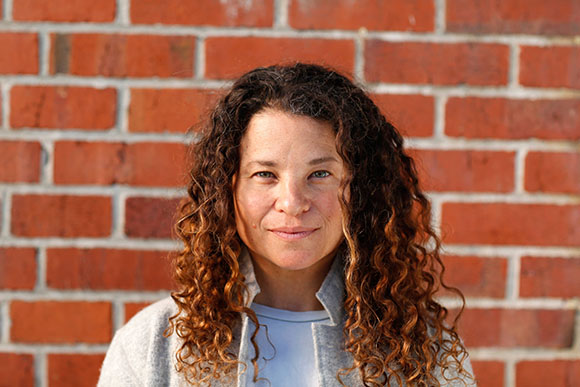
Dalia Burde is the Founder/Executive Producer of creative production agency Avocados and Coconuts (www.avocadosandcoconuts.com) in San Francisco.