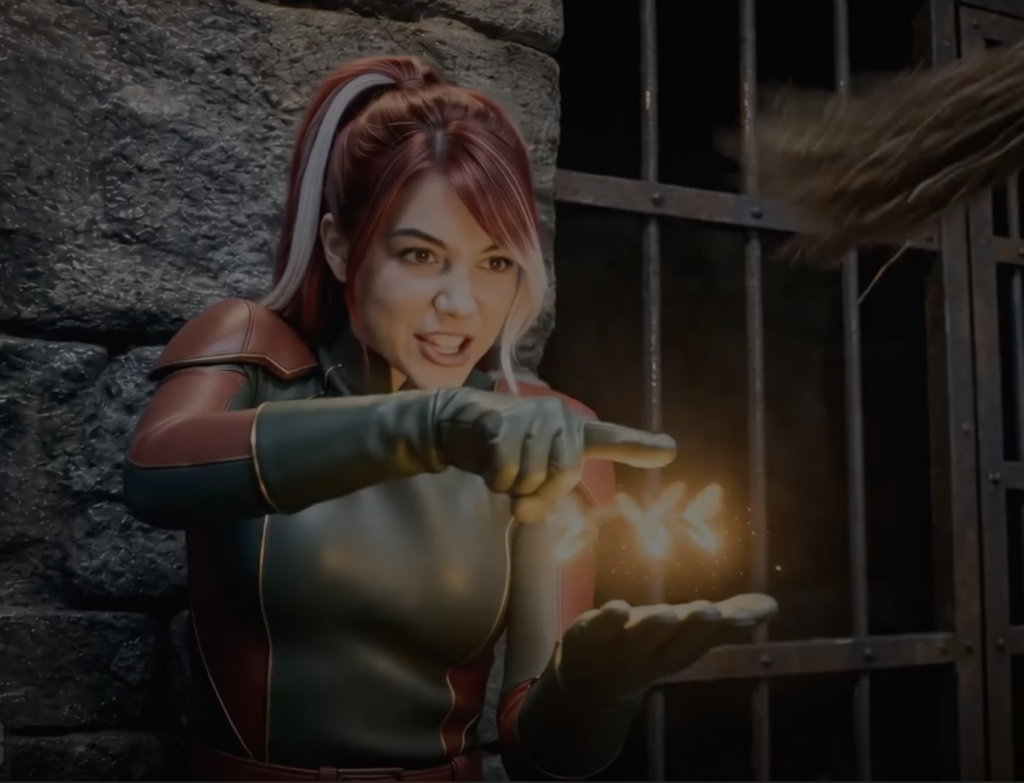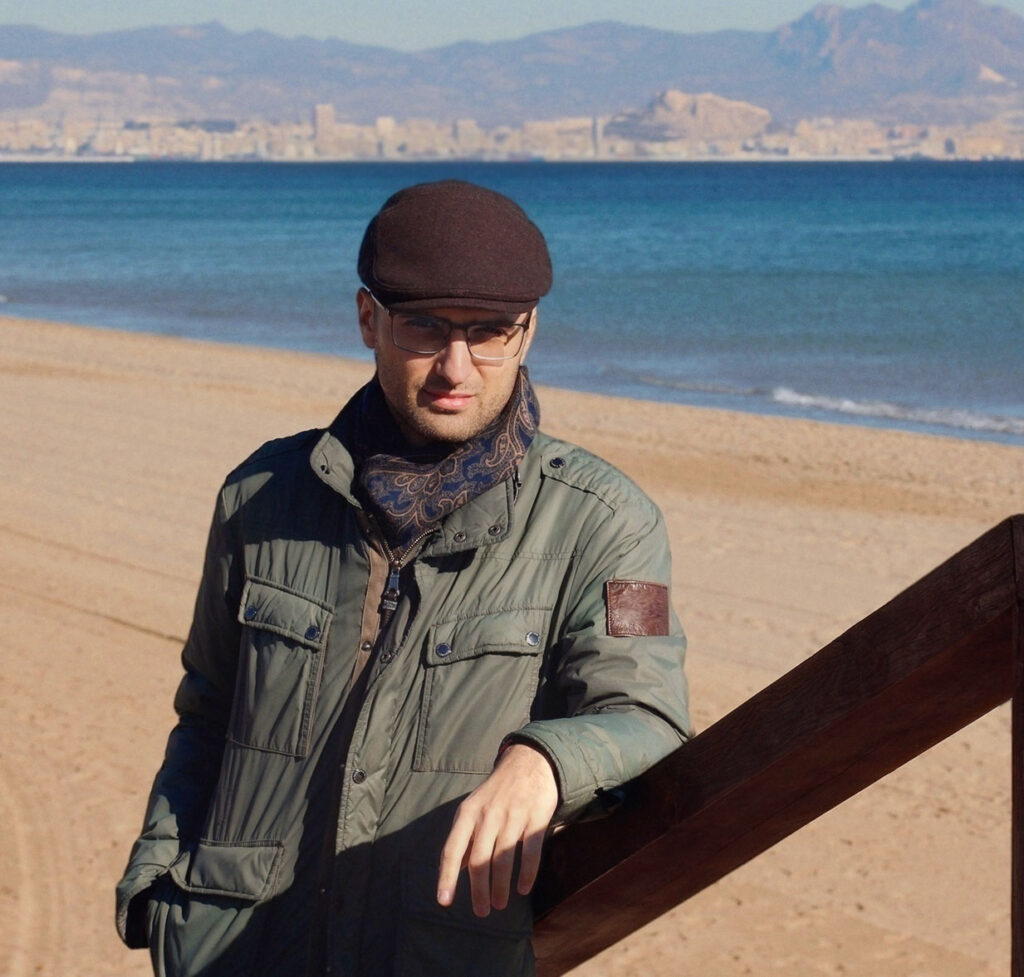
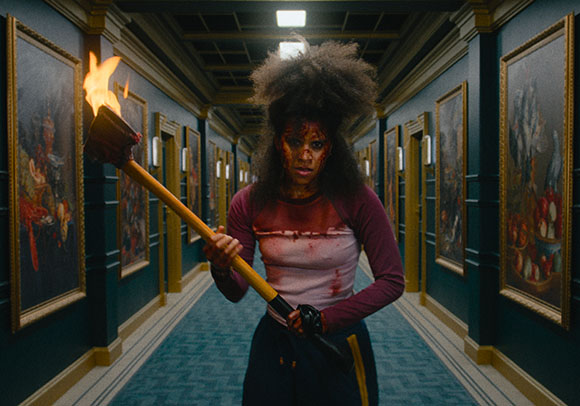
Over the course of eight short films and three features, Russian filmmaker Kirill Sokolov has built a reputation as a master of blending mayhem, horror and action with sharp humor. His new feature film, They Will Kill You, stars Zazie Beetz alongside an ensemble cast, including Patricia Arquette, Myha’la, Heather Graham, Tom Felton and Paterson Joseph, and is a blood-soaked, high-octane horror/action/comedy in which a young woman must survive the night at a demonic cult’s mysterious and twisted death-trap of a lair to avoid becoming their next offering. The LA-based Sokolov graduated with a master’s degree in the physics and technology of nanostructures before turning to filmmaking. In addition to directing, he also co-wrote and executive produced They Will Kill You.
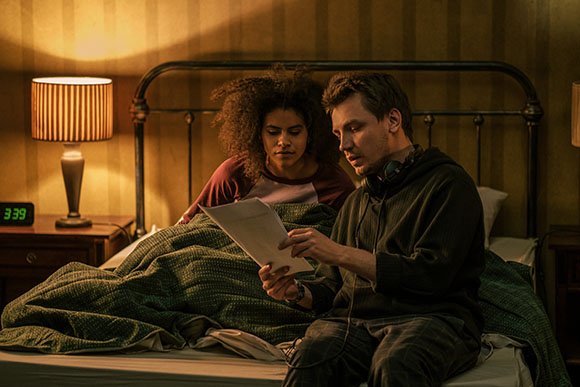
Behind the camera, Sokolov assembled a creative team that included cinematographer Isaac Bauman, editor Luke Doolan, VFX supervisor Marc Smith and colorist Alastor Arnold. The New Line Cinema film premiered at this year’s SXSW film festival, followed by a theatrical release by Warner Bros.
Here, in an exclusive interview with Post, he talks about the challenges involved, and his love of editing and post.
What sort of film did you set out to make?
“The main goal was to make a fun movie that surprises on multiple levels. First, it’s a genre mashup, and it starts like a classic horror movie, and then it changes into more of a wild action comedy with some supernatural elements. It also has some spaghetti Western standoffs and some anime beats, so it’s a very post-modern movie, as it refers to different genres and different types of movies from all over the world, and it has a lot of plot twists and emotional twists. So you take the audience through this journey to the end, and the big challenge in post was: How do you build up the pace, and integrate the sound and the music with all the various tones? And how do you invisibly lead the audience through these big tonal changes so it all feels like one movie?”
What did prep entail, and what were the main technical challenges of pulling this together?
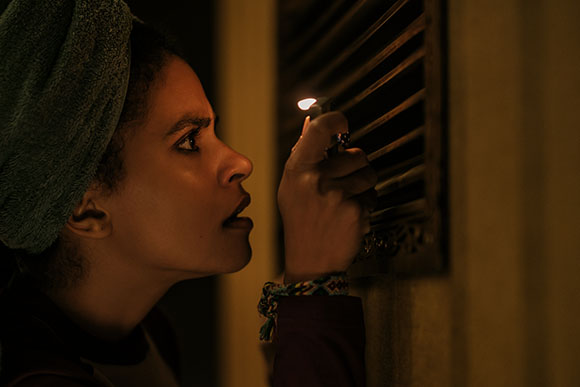
“We shot this in Cape Town, South Africa, and it was a normal prep — about two months. I’m kind of a nerd in terms of the process, and I prepare a lot. I do a lot of homework, and I do storyboards for the entire movie. Every scene is storyboarded, so I can discuss it with the DP and all my production heads. Then, when we got to Cape Town, we found our crews, and the stunt guys take the storyboards, as even fights were storyboarded, and they work from there. Then we changed and tweaked them as we shot. And I walked the production designer and his crew through the storyboards, and we discussed sets and built sets to make the storyboards work. Same with camera and grips. Basically, your main goal is always, ‘What will the audience feel in this moment when they watch the movie?’ And then I think, ‘This camera movement will help that.’ And you come up with some specific camera movement, and that camera movement requires specific equipment, so I have a bit of an engineer’s mindset behind it, but it’s fun.”
Tell us about the shoot.
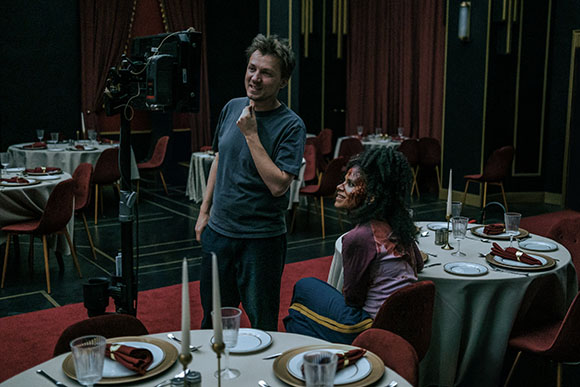
“We had 45 days, and 90 percent of the movie is interior, set inside this building, our main location. We had a ton of sets and built everything, and that was the main reason why we went to South Africa, because you can afford much more in terms of construction. We built all our sets simultaneously on six different stages, and we just moved from one stage to another. The sets were massive and quite complex, like the one with a crawl space under the floor, where we had a massive chase sequence. This whole set was built like a Lego set, and we had all these sections, around six-feet long, so we could move them around to change the geometry of the space.
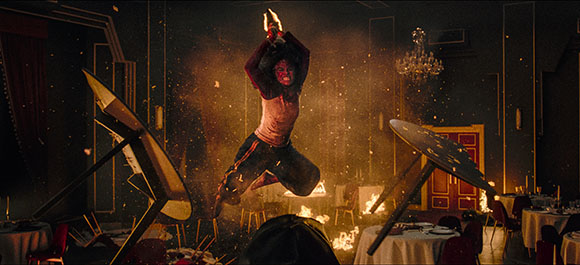
“And we had a big fight in a restroom, which required fire protection, because there was a lot of real pyrotechnics. And at the same time, there was a lot of wire work, and this whole set slowly caught fire as we progressed through the scene. And then the fire alarms and sprinklers go off and flood everything, so we also had to be water protected, and we built a whole drainage system. So that approach helped to make most of it in-camera and practical, and then we did a lot of VFX in post to add stuff. Then we had a few exterior locations, and shot five days outside, so we did a lot given our time and schedule.”
Where did you do all the post?
“Here in LA, at Pacific Post. I love the whole post process, especially all the editing. I cut both of my first movies, I love editing, and I know how to cut a movie. And it helps you a lot when you are both the writer and director, because as I work on the script, I already know how it will be edited, and you can feel it when you read the script that it has a specific pace. So, you can be very specific with the shots you need, and you don’t waste time or resources for extra coverage that you know you won’t use in the edit. So, when you get to the editing room, it’s just pure joy!
“You can totally rewrite stuff in the edit, and by just making very small shifts, you can change a lot in post. You can change the pace, or you can change the takes with the actors and go for a little bit more comedy or tension. You can cut one joke, and it’s immediately a different scene and a different feeling. And I’m always surprised that you can change the movie so much in post, again and again, with the same number of shots. You just change the order, and it’s a new movie. You change the text, it’s a new movie. You cut a little information and hide it from the audience, then you reveal it later, and it’s a new movie. So, post’s fun and exciting.”
After cutting your first two films yourself, how did it work in terms of collaborating with Luke Doolin and additional editor Kyle Walczak?
Did they come on the set, or did you send them dailies?
“No, they started editing dailies here in LA, and it worked well. For me, it was a new experience I had to get used to, because I couldn’t edit it myself, so I had to trust people. But again, it’s just communication. You spend a lot of time together, and you have a dialogue and finally you understand each other, and hear each other, and you go through this complex process of editing.”
What were the main editing challenges?
“I think the main challenge was to land with the version of the movie that everyone involved would be happy with. Because, as you know, the Hollywood studio system has a lot of people that have very strong opinions on what kind of movie you’re making. And because this movie is so tricky and so challenging in terms of all the genres and different emotions and tones, you get one person loving one thing and another loving the opposite thing. And I’m very happy that we managed to please everyone in the end, but it was a long process and conversation to land everyone on the same ground.”
Did you do a lot of test screenings?
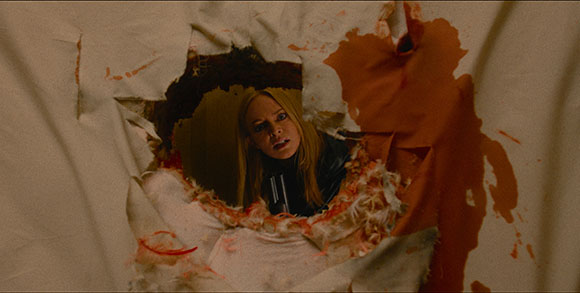
“We did, and I think it’s a tried-and-true part of the post process for New Line. They test a lot. But for me, it was the first test screenings I’d ever done, and it was so scary — especially as you screen a very raw version of the movie with no visual effects and terrible sound. You have different voices, off-screen, edited to the dialogue, and it’s just distracting and terrible, and I don’t know how people get through it? It’s so painful. Then people discuss your movie, and you feel just miserable. But then you get home, and you get all this data, and the good thing about it is that I’m a physicist, so I love data and I trust it. So, you get these tables with responses, and you understand that when people who loved the movie or hated the movie point at the same scenes or problems, it means something doesn’t work. And if you just take away your emotions and throw away your broken heart and look at it with a cool head, you can fix it.
“So, it was a very interesting and new process to me, learning how to deal with test screenings and how to process this data, and I think it improved our movie a lot. But at the same time, funnily enough, we didn’t lose even a scene. We just trimmed it and moved elements around.”
Let’s talk about the visual effects.
“Crafty Apes did all of them, and they are magicians. And Marc Smith, our VFX supervisor, and Irene Armit, our VFX producer, did an amazing job, from a lot of clean-up work to creating a fully-CG supernatural character who’s on-screen for 20 minutes at the end. And they had to match all the VFX work for this character with all the in-camera material we had shot on-set using a lot of puppet and dummy work and prosthetics. It was my first experience doing a full-CG creature, and we started with a dummy and used it as a color reference, but it didn’t have any motion. And we recorded James Remar, who played the character, and captured his facial expression and voice, and then we animated on top of it. And the result was so incredible thanks to Marc, as he gave me great advice on how to shoot it practically, on-set, and then seamlessly blended it with VFX.”
How important is all the sound and music to you as a filmmaker?
“Very important. I even write some notes in the script about specific sounds I want, and I love very bold work with the sound, where it’s bright and stands out, and maybe a little bit cartoonish in a way. We did all the sound at Formosa, and I had an amazing sound designer, Jeff Pitts, and we discussed it all even before we started shooting. We went from heavy-metal sounds, for the brutal moments, to anime from the ‘90s, where you watched it on VHS, so the sound was flat and distorted. And we did the final mix in Dolby Atmos.”
What about the DI?
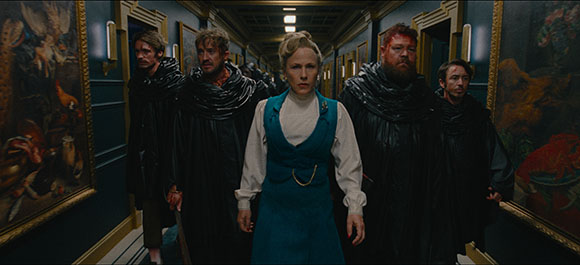
“We did it at FotoKem, and the colorist, Alastor Arnold, my DP and me went for a very colorful and vivid look. And as it’s basically one location in this building, it was very important to separate the levels. I wanted every floor to feel a little bit different, so we used different colors, textures and patterns for each one. And then we worked a lot on the look of the CG character, and helped craft it to bring this creature to life.”
Did it turn out the way you first envisioned it when you were writing it?
“Things do change a bit in post, but it’s pretty close.”