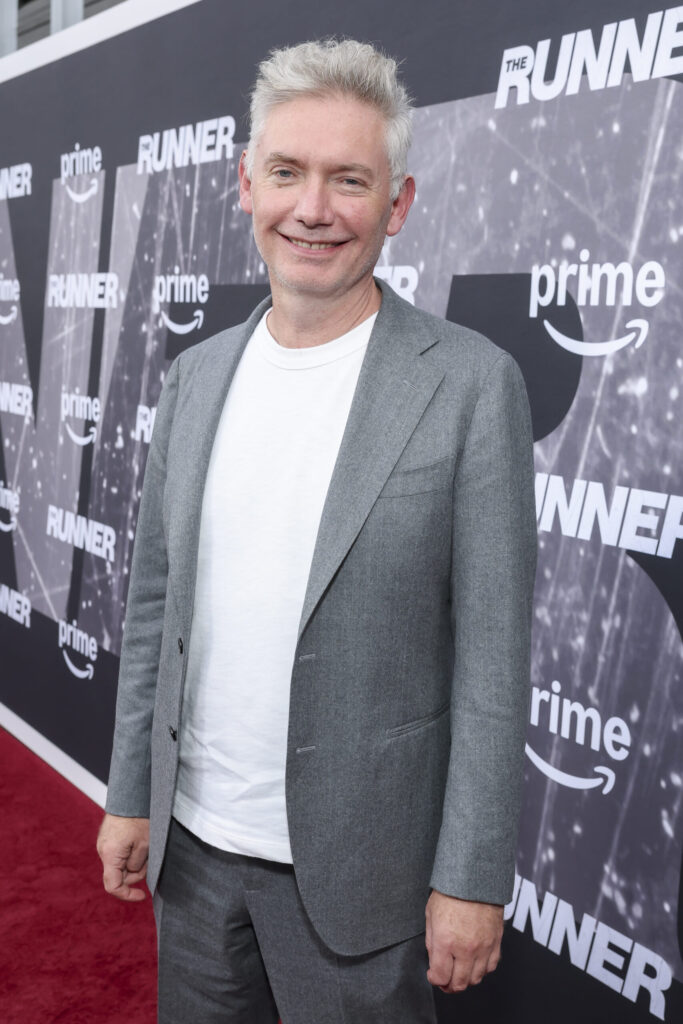
Scottish filmmaker Kevin Macdonald has made numerous Oscar- and BAFTA-winning films over a 30-year career, including The Last King of Scotland, State of Play, How I Live Now and The Mauritanian. His many documentaries include One Day in September (for which he won the Best Documentary Feature Academy Award), Touching the Void, Life in a Day, Whitney, Marley and One to One: John and Yoko.
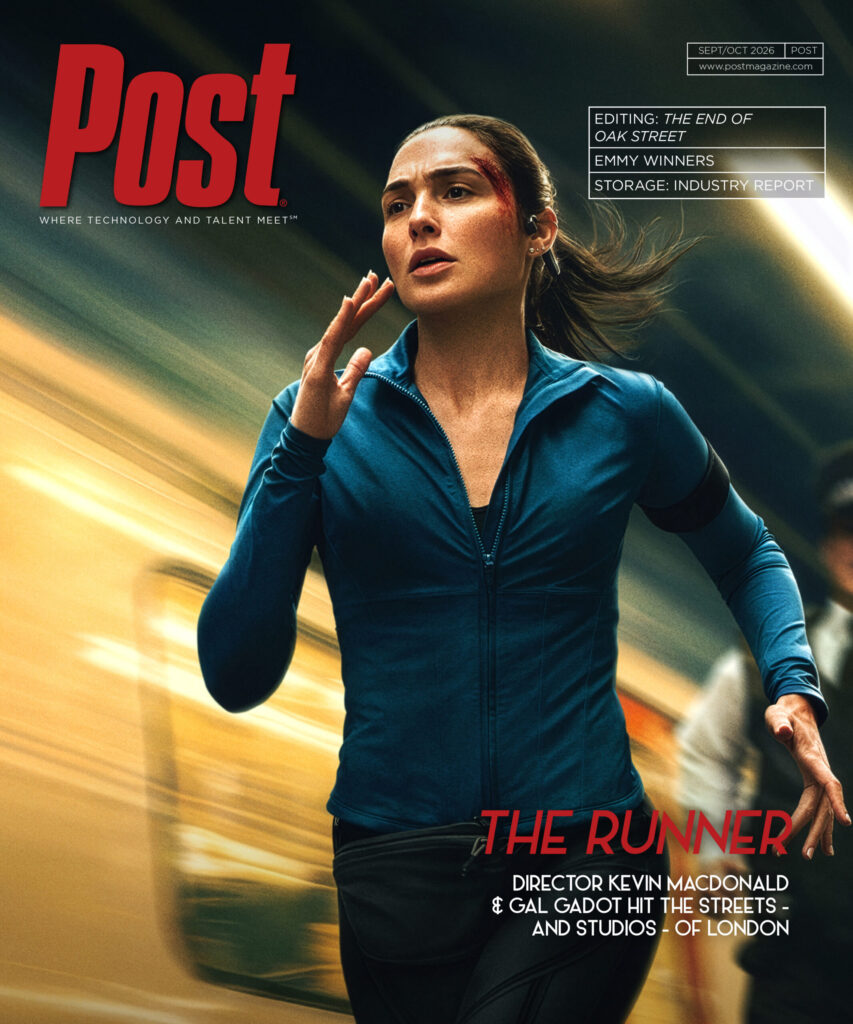
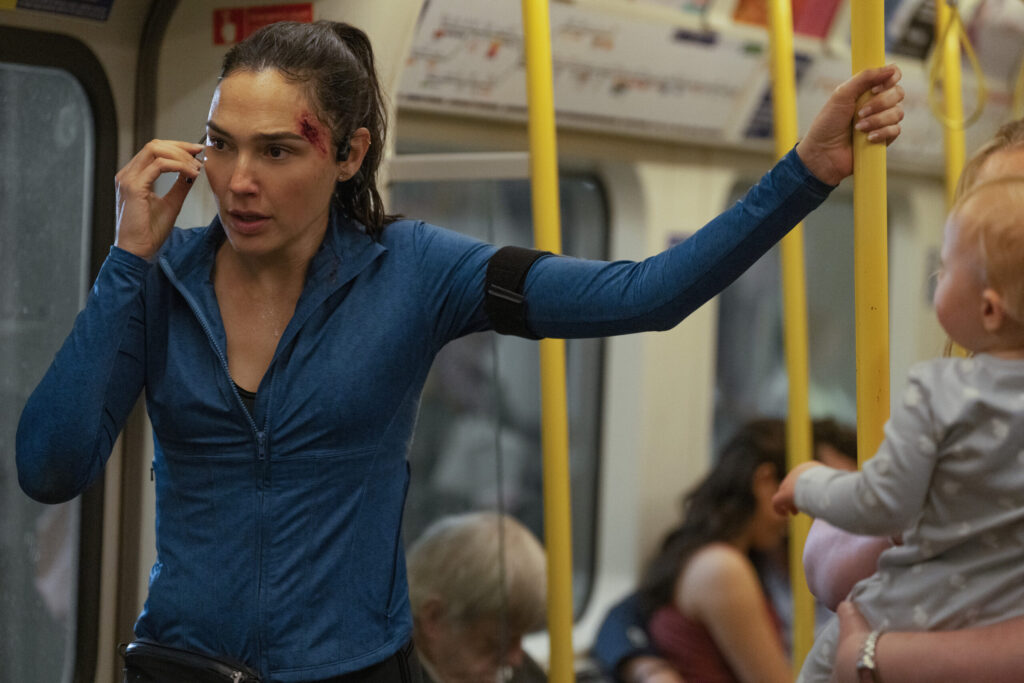
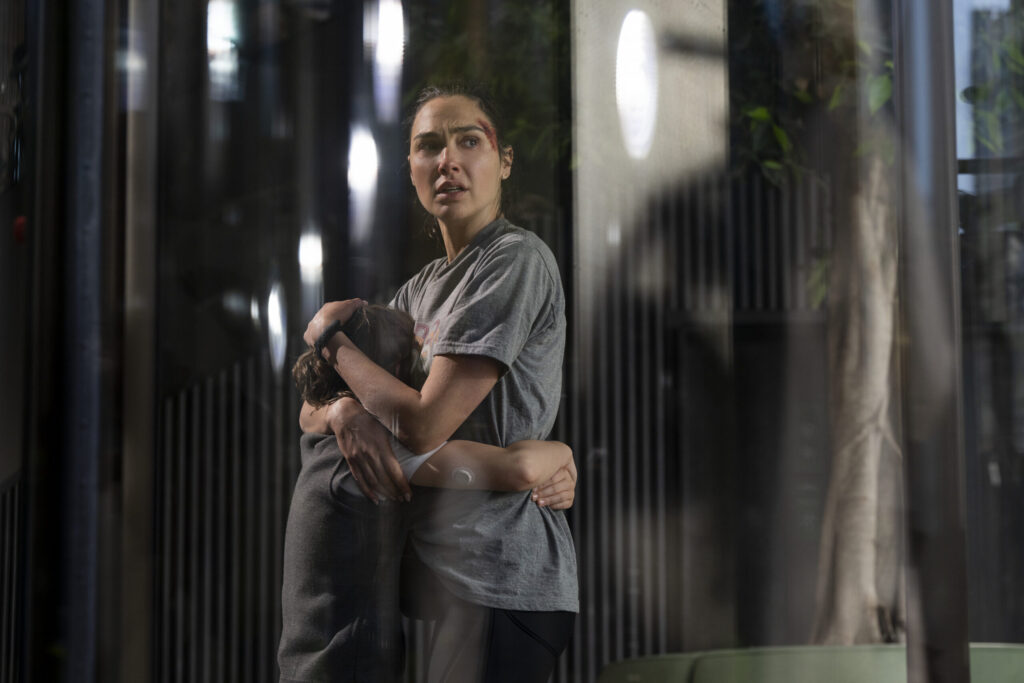
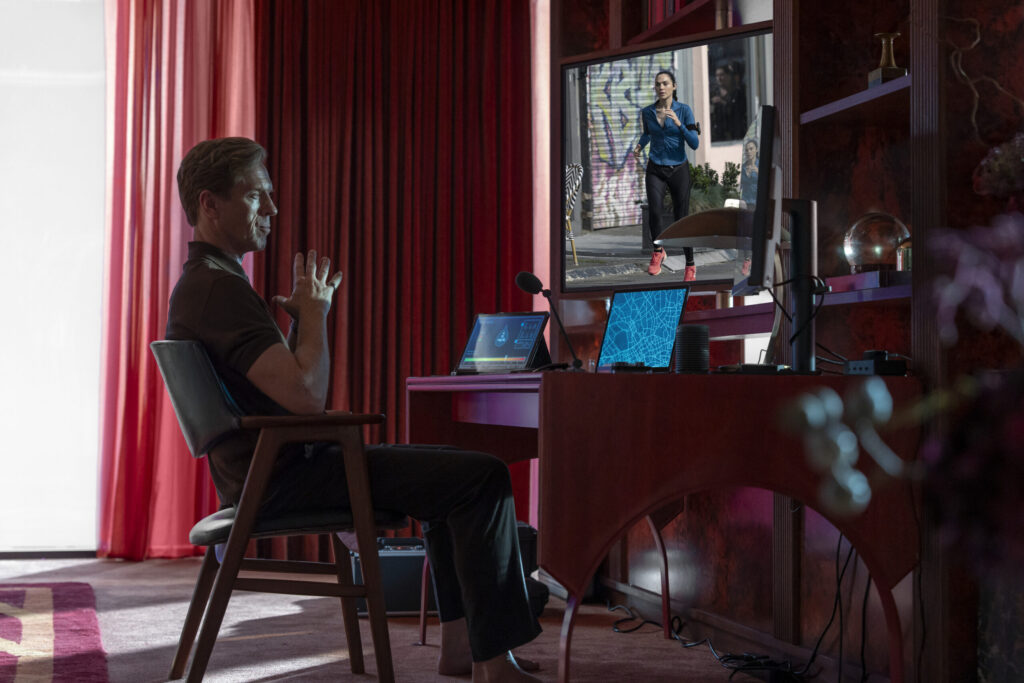
His new film is The Runner, a visceral, pulse-pounding psychological thriller starring Gal Gadot as a high-powered lawyer whose life is upended when, on her routine morning run in London, a phone call tells her that her son has been kidnapped. The instructions to get him back are simple and merciless: keep moving, follow every command and tell no one. Stop, and he dies. Forced to sprint through the city in a literal race against time, she has to decide how far she’ll go to bring her son home.
Behind the camera Macdonald assembled a creative team that included cinematographer Anthony Dod Mantle (Oscar winner for Slumdog Millionaire), editor Sam Rice-Edwards and colorist Adam Glasman. Here, in an exclusive interview with Post, he talks about the challenges involved and his love of post.
What sort of film did you set out to make?
“I wanted to make a sharp, adrenaline-fueled ride of a film, which is something I’d never done before. And I was originally captivated by this idea of a character who’s forced to constantly keep moving, and as a storytelling device, I thought that was a real challenge and quite original. Technically, how do you do that? How do you film somebody who’s running the whole time?”
What did Gal bring to the party?
“She brought a sense of gutsy determination. But also, I think the emotional core of this film is very simple: She plays an ordinary mother who wants to get her child back. But she’s not a superhero. She doesn’t have incredible parkour skills. She’s doing what an ordinary person could do. But she has this drive that is her motherly love. And I think Gal brought that more than anything else. She has four children of her own, so she understands the emotion of what that would be like. So, when we were going off worrying about other things, she brought it back to that central emotional lodestar.”
What did prep entail, and what were the main technical challenges?
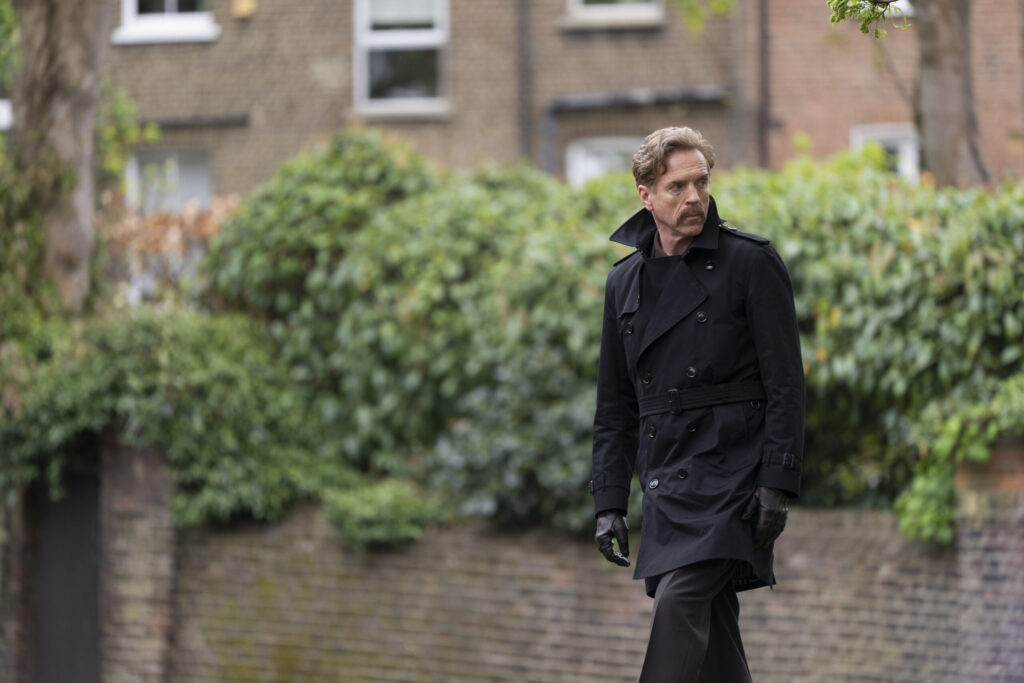
“Filming on-location in London is very difficult, and yet this whole movie is basically on-location. And because I was determined to make it a real running route that you could run in the time it takes in the film, it meant that we had to plan all the real locations months in advance and get permits. But then the various councils would change their minds, and we’d have to change our route or the bridge she could jump off.
“The location manager is the real unsung hero of this film. He made everything possible. He allowed us to film on the Tube [London’s subway] in a way that nobody else has ever managed. And we faced a ton of technical challenges, like recording dialogue and filming when you’re running on a busy street with heavy traffic. How do you do that? We tried all sorts of things, like using long lenses and hidden cameras. But a lot of it was done by this amazing, unique, skating camera operator, Myron Mance, who was a brilliant asset for us, as he could skate over rough roads and pavements, and shoot at the same time. So that was the main tool we used for all her running scenes.”
This is your third collaboration with DP Anthony Dod Mantle. Talk about coming up with the distinctive visual approach and style.
“I felt this needed someone with a great photographic eye and an openness to finding beauty in the rough and tumble of the street life, but also someone with tremendous energy in the way that they operate and approach things. And Anthony is the most energetic person you’d ever meet. That is what he is famous for, and he’s great at combining energy with poetry in an unexpected way, and not being fussy about the lighting. You couldn’t light very much on this film anyway, as it’s just impossible, and he used all sorts of different cameras. We shot a lot with a Leica stills camera that we also used as a video camera, as we could take that on the Tube very easily. And we had to come up with all sorts of ways to feel like we were getting inside our character’s head, even though she doesn’t get to emote very much. So, we used a lot of variable speeds, step printing and peculiar close-up angles on her for our expressive mode.”
Did you do any previs?
“Yes, for some of the action stuff on the train and the bridge-jump scene. We storyboarded those sequences, as you have limited hours to shoot, and you’ve got to be very tight and exact, as you’ve obviously got big stunts as well. But a lot of the rest of it was very improvisational, using what was available to us on the day.”
Where did you post?
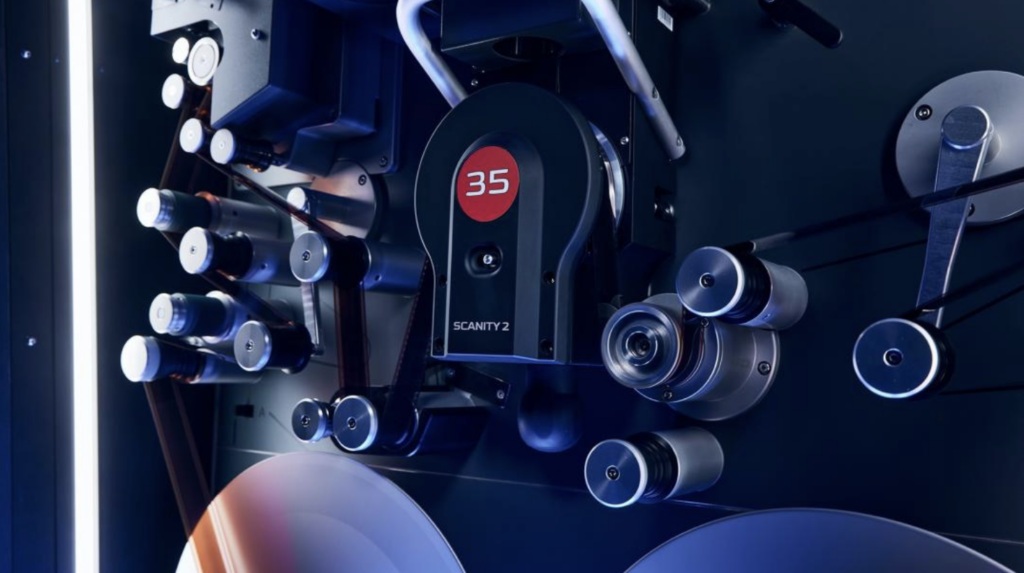
“All in London. We did the picture post at Goldcrest, and I love post, and it’s changed so much since I started in the era of film. Anthony shot The Last King of Scotland on 16mm and 35mm, and we used the DI in a really aggressive way, which felt very novel at the time. I’ve been through the whole process, and I think now you can be lazier in your shoot, and you really can fix things later in post.”
What were the main editing challenges?
“I’ve worked before with editor Sam Rice Edwards on commercials and some of my documentaries, and he did a brilliant job editing John and Yoko entirely using archival footage. And I thought that you don’t need to have edited drama before to do this film. It’s about a sense of the kinetic, and the story is so linear that somebody who comes from commercials and documentary is probably better suited to do it than a conventional drama editor.
“This was his first feature film, and so much of it is about the music, the rhythm, the propulsiveness, which he understood right away. He wasn’t on-set much, but I always talk a lot with my editor when I’m shooting and we’ll watch footage after each day’s shoot. And you learn a lot, particularly on something like this, which is technically really challenging. You have an idea of what you want to do, but then maybe it doesn’t work and you need to revise the way you’re shooting things. You’re inventing as you go.
“And the other big challenge is when you’ve got a twist ending, which this film has, you need to set up enough clues that when you get to the twist, audiences get it, but not so many that people figure it out too early. So, it’s that fine balance that took quite a lot of surgical precision editing.”
Talk a bit about the visual effects, as there’s probably more than people realize, right?
“Right, and Goldcrest VFX did some shots and clean-up, but 1920 did most of the heavy lifting, as well as some clean up, as they had to create some buildings, do lots of set extensions and all that stuff in the tunnel. When she gets out of the train, there was no train there, so they did quite a lot of invisible stuff and did a great job. And then we also worked with Mac Guff, a French company, who did some tricky face replacement for the scenes where we had the stunt double running instead of Gal for the most intense moments. So, all the face replacement had to be totally invisible, and they did a very good job. I think most people don’t even notice that sort of VFX, which is the goal.”
Tell us about the importance of the sound and music, as the propulsive score is a key player in the film.
“Absolutely, and from the start I wanted to use the sound and feel of tribal drumming. That organic energy level of someone playing a drum felt like the right kind of vibe for her, so for our temp music we used a track of somebody drumming frenetically, and we looped it repeatedly. And then Tom Hodge, a really inventive, great composer, who I’ve worked with quite a lot recently, came in and recorded some tracks with a Senegalese drummer, who did a brilliant job. And then Tom took that and played around with it, and came up with these themes played on a broken down piano.
“And then we started to experiment with breathing sounds, and Gal recorded all sorts of variations. Then we used them as a percussive element. It’s a very mainstream movie, but we had a lot of fun experimenting with some of the picture and sound choices. Then we worked with sound designer and sound editor Glenn Freemantle and his team at Sound 24 at Pinewood, who I always work with. They did a magnificent job of reconstructing and mixing the whole soundtrack, because there was so much of the live sound we couldn’t use, and that was a very intricate, big job.”
What did the grade entail?
“We did it at Goldcrest and Adam Glasman graded it. I’ve worked with him several times before, and Anthony has worked with him a lot, and it was actually a tricky grade just because of all these different cameras and formats we used — and particularly the Leica, because nobody had really used that before, as that was a brand-new camera. Anthony was given it as a trial prototype, and we liked the way we could move around with it and that it looked like a stills camera. But it was very tricky getting that to match with other things, and it’s one of those problems that you don’t think about too much in advance until you get to post.
“We were using an Alexa as the A camera for most of the shoot, but we used all sorts of other bits and pieces as well, so that took some work to grade it all correctly. And we have a movie with quite a naturalistic visual approach, so when you’ve got a lot of visual effects in there, you want those to really bed in, and that obviously takes a while to grade as well. I basically left them to it for a week and then I went in for the second week, as I think it’s quite good not to be at the sessions every day, as you can very easily lose objectivity, watching them work for hours at the grade. I much prefer going on the first day, and we’d chat about it and they would get on with it, and then I’d come back in a week or so and give my notes if I felt a scene was too dark, or maybe too light, and they’d fix it.”
Did it turn out the way you hoped?
“Nothing ever turns out the way you have it in your head, but then the whole process of post production is an acceptance of what you’ve got to work with and finally realizing that the beauty of what you have is almost better than what you imagined beforehand.”