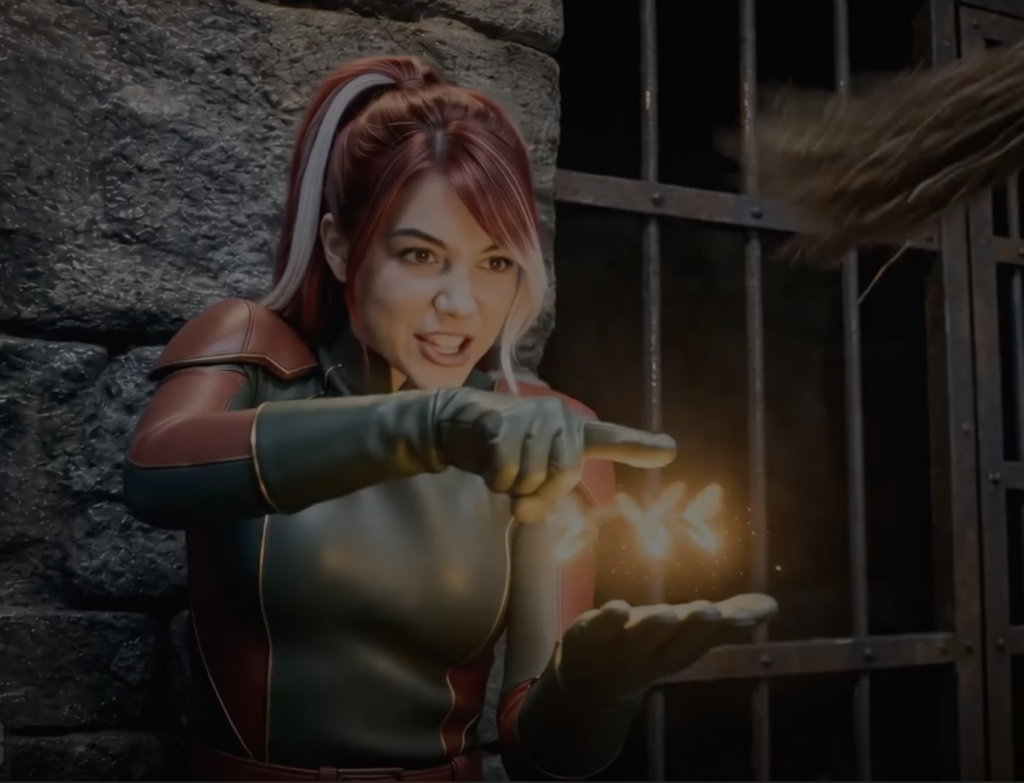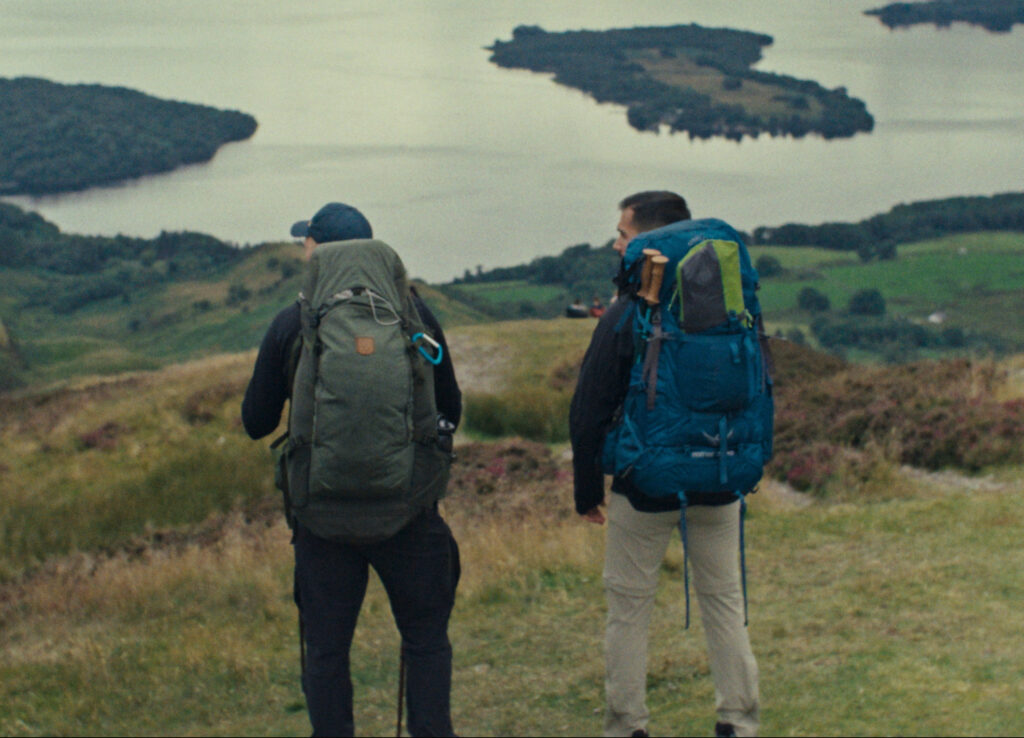
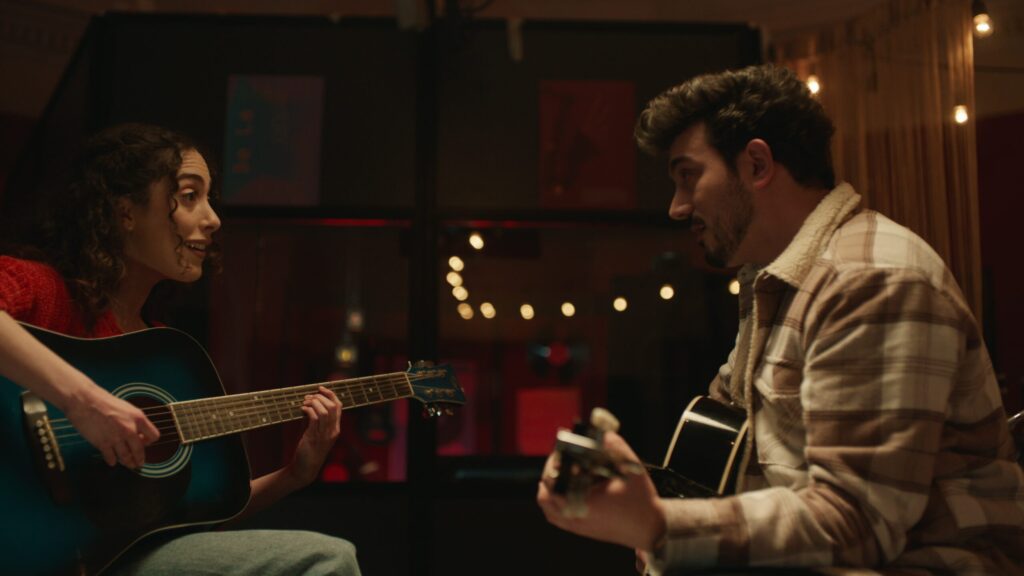
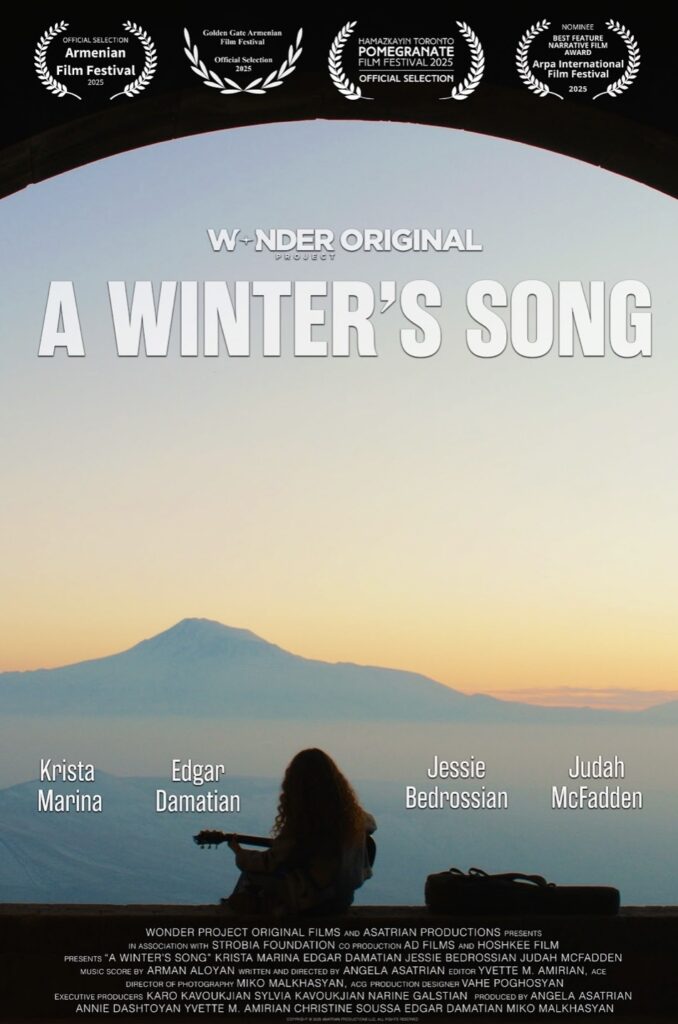
In the romantic comedy A Winter’s Song, Liana, a struggling musician, takes a leap of faith and travels to Armenia for the first time, hoping to find inspiration for a record demo that’s soon approaching. While she is swept up in its rich culture, music and traditions, she finds herself on an unexpected journey that will challenge her heart and redefine her dreams.
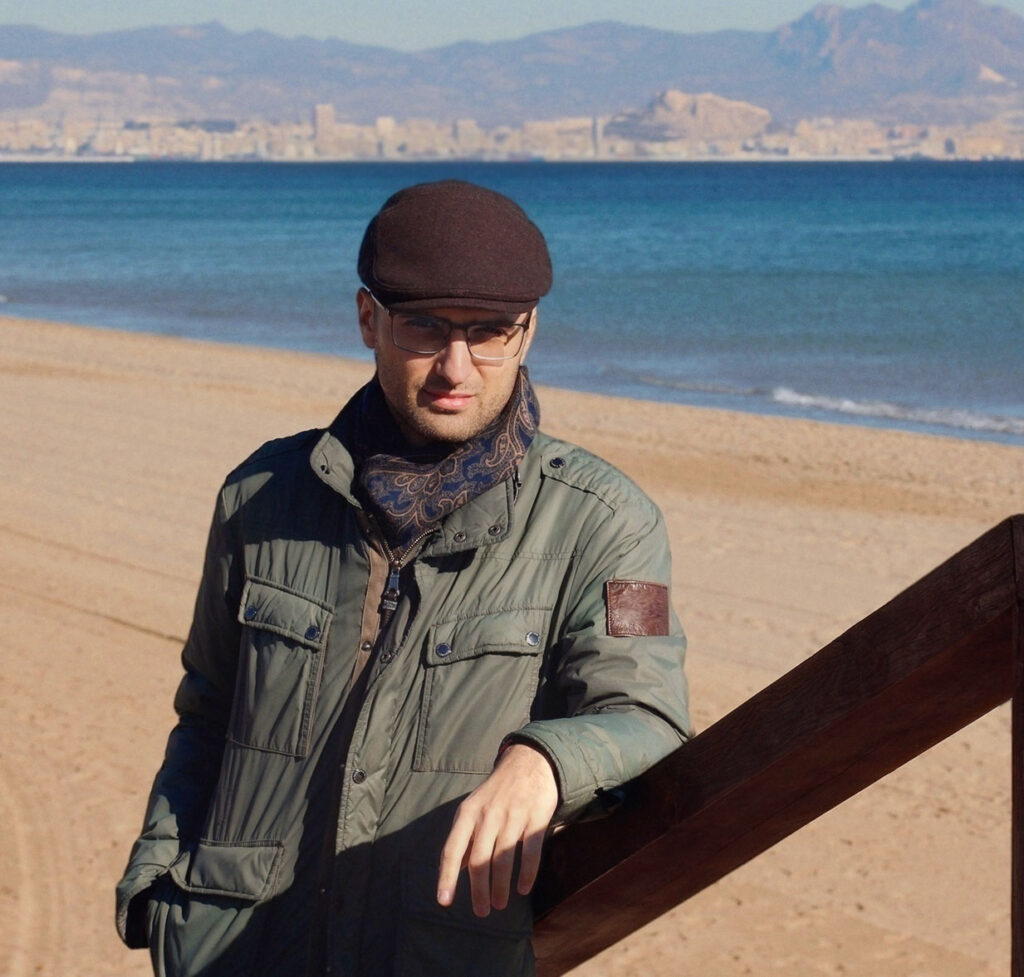
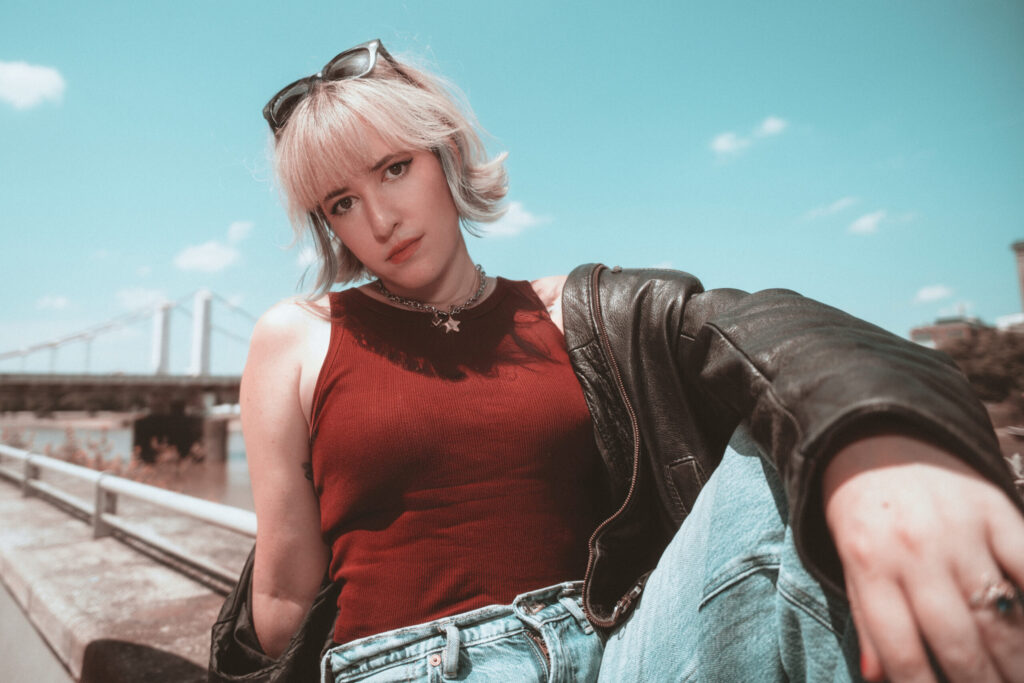
The feature was directed by Armenian/American filmmaker Angela Asatrian and stars Krista Marina and Edgar Damatian. It is now streaming online.
In addition to Asatrian and Damatian, the creative team of editor Yvette M. Amirian, ACE; producer Annie Dashtoyan; and composer Arman Aloyan share details on their experience and why this film hold such significance in the Armenian community.
Armenian culture is prominently featured in this story.
Yvette M. Amirian, ACE: “The concept for this film from its inception was to set it in Armenia. We have rom-coms, and especially holiday rom-coms, set all over the world – from cozy American states to made-up European countries. So the question was: ‘Why not Armenia?’
“But we didn’t want it to just be a backdrop or a setting. We wanted to showcase the culture prominently – through the music especially, but also the food, the traditions and the language. This was important because we’ve never had that kind of representation in a mainstream film.
“A lot of people wouldn’t be able to find Armenia on a map or tell you anything about who we are as a people. So, we wanted to use this very universal and beloved genre to showcase the beauty of the country through a really heartfelt ‘coming home for the holidays’ story that all audiences can relate to.”
Do you believe films like A Winter’s Song contribute to broader cultural understanding?
Annie Dashtoyan: “We wanted audiences to feel the culture, rather than be asked to understand it. We weren’t trying to explain trauma, war or geopolitics – we were telling a story about love, family, humor and longing. When people from different backgrounds recognize themselves in those emotions, that’s when real cultural bridges are built.
“We believe audiences don’t connect to history lessons – they connect to how a story makes them feel. Facts fade, but emotions stay. When someone laughs at a romantic misunderstanding, cries during a goodbye, or falls in love with a snowy Yerevan street, they’re not just watching a movie, they’re emotionally experiencing a culture.
“We also wanted every diasporan – anyone who has ever grown up away from their homeland – to feel a sense of belonging. This film is for anyone who has ever missed home and searched for that feeling of comfort and connection. In that way, Armenia stops being abstract. It becomes the place where a beautiful love story lives.”
What cultural details or traditions were most important for you to portray authentically?
Edgar Damatian: “What mattered most was honoring the beauty and warmth of Armenian culture in a way that felt lived-in, rather than symbolic. There’s an emotional richness to the culture, especially the music. It has a way of holding history, longing and joy all at once. We approached music in the film as something that connects generations and elicits strong emotional responses.
“Food was equally important. In Armenian culture, food is not just nourishment – it’s love, hospitality, and tradition. The act of preparing a meal, sitting together, and sharing that space carries meaning beyond words and is commonplace in Armenian homes.
“The beauty of Armenia itself was a crucial influence. There’s a timeless quality to the place, a stillness in its majestic mountains, a sense of age in the architecture, especially in our churches. There’s a feeling of history embedded in the land that was captured beautifully on camera, and that helped inform the emotional tone of the film.
“So for me, authenticity meant allowing these elements to exist without explanation. When culture is treated with respect and care, it does not need to announce itself. It simply lives on screen, and the audience feels its depth.”
Talk about some of the Armenian music, food, traditions or language that shape the film’s world? Yvette, can you speak to the song placements and Arman, to the film’s score?
Arman Aloyan: “One of my favorite scenes to score was Liana sitting around the table and being bombarded with all of the Armenian food, barely an hour after she landed. This scene encompasses our culture’s generosity and warmth so well, so it made sense for the music to be reflective of that. The way I accomplished this was a unique arrangement of an old Armenian folk song. We wanted it to feel very authentic, so we were really lucky to have two musicians contribute to that piece with traditional instruments like the oud and qanun. And we were even able to take those sounds and weave them into other pieces of my score, infusing the entire film with this touch of Armenia that’s always just a little bit present.”
Yvette M. Amirian, ACE: “On paper, the film reads as a pretty traditional rom-com. But when I got the dailies and saw the performances, I realized it was a lot more grounded than that. So, I was really mindful of maintaining that balance when I was crafting the tone of the film. Arman did a beautiful job in elevating that, giving the film a distinct voice through our score. He managed to simultaneously make it a traditional holiday rom-com when it needed to be, and a beautiful journey of self-discovery when it needed to be.
“Another big element of that, of course, was our needle drops. Some of those tracks were written into the script, especially with Krista’s music and one of the songs early on, when her character arrives in Armenia. But the majority wasn’t. There were a lot of beautiful montage pieces that were intended to show passages of time in Liana’s journey (like the ski sequence, the airport sequence), as well as a ton of gorgeous b-roll and sweeping drone shots. But there was no clear plan or direction on how to use them. I just had a ton of really incredible options.
“So we put on our music supervisor hats and started researching tracks that could work. We were really mindful to focus on Armenian artists, honing in on a few our director and EPs had connections to. I often find with montages, the lyrics are doing something to further your story, so we found some amazing tracks that hit all the beats we needed – the love story, the holidays and Liana’s growth journey.
“My favorite piece is by a band called Yellow.heart. The singer (in Armenian) talks about how she found someone important in her life when she was lost and doesn’t want to let them go. It’s reflective of where Liana and David are in their relationship, but also of her relationship with her late father. I recall finding these two b-roll shots of Mount Ararat, which is visually a huge representation of Armenian culture – one shot during the night and an almost identical one in the morning. I used a cross-dissolve to blend them together against a particular lyric in the song that echoes how after loss comes a bright light. The images lined up perfectly and it just made for a really-powerful statement that didn’t otherwise exist in the movie.
“So it was a combination of Arman’s score and finding these relevant needle drops to help propel the characters along on their journey and really support the story we were telling.”
What impact do you hope this film will have on Armenian audiences around the world?
Annie Dashtoyan: “I think the obvious hope is that they see themselves represented in the film. We don’t have mainstream representation of Armenian culture at this level anywhere, and for those of us in the cast and crew who have kids, we really wanted to create something that our children, and someday our grandchildren, could look at and see themselves in.
“We’ve had parents reach out in tears that someone who looks like their curly-haired daughter is on the big screen, or messages from people who say it helped them want to reconnect with their roots, or even travel to Armenia for the first time.
“So we’re already seeing that impact, and as word about the film grows, we’re really excited to see it touch more Armenians and non-Armenians alike.”
How does it feel to create a movie that both celebrates and educates about Armenian heritage?
Yvette M. Amirian, ACE: “It makes me really proud. We were always careful to educate through entertaining – we never wanted to hit people over the head with information or make them bored with a history lesson. Edgar said in a recent interview that this was like our ‘love letter to Armenia,’ and it’s so true.
“Our love of being Armenian is deeply rooted in us from a young age. I think that’s because for so long, Armenians have been uprooted from our motherland and dispersed all over the world, forced to assimilate over and over again, and yet, we still have our country, and we’ve maintained a unique language and traditions thousands of years later. I’m so proud to share that with the world and celebrate it.”
How important is it for more films to represent underrepresented communities and stories?
Arman Aloyan: “It’s crucial – showing underrepresented cultures and communities gives the world perspective. Every time I watch a film that showcases an example of this, I come out of it refreshed and with a sense of gratitude for having been exposed to it. With A Winter’s Song, we were able to open a door and invite the world in, allowing them to see how welcoming and inspiring Armenia can be. Ideally, it makes them go: ‘Wow, I would love to visit Armenia and see this for myself.’ So I hope that seeing our underrepresented community featured prominently on a mainstream platform will help people understand us better through this film.”
What role do you think A Winter’s Song can play in opening doors for more culturally specific films in Hollywood?
Yvette M. Amirian, ACE: “I hope it opens doors for Hollywood to explore cultures they wouldn’t have otherwise thought of. For me, the closest example is My Big Fat Greek Wedding. That movie had a profound impact on me, because it was the first time I saw a piece of my experience represented on-screen. Prior to that film, most people didn’t really understand the nuance of their culture and family dynamics. That movie showed them through the universal lens of two people falling in love and having to deal with each other’s families getting in the way.
“Here, you have that universal lens of a girl going home for the holidays, and unexpectedly falling in love in a faraway place. That’s relatable, and the singularity of the culture makes it different and refreshing. I hope Hollywood leans into that with all different kinds of underrepresented communities, because I think there is a desire for it, and those stories deserve to be told.”