A short human-interest video can look simple on a phone screen. Someone shares a story, we meet them and a minute later the audience sees a beginning, middle and end. What viewers do not see is the work surrounding that final cut: reviewing the story, discussing boundaries, coordinating the shoot, finding the narrative and staying involved after the video goes live.
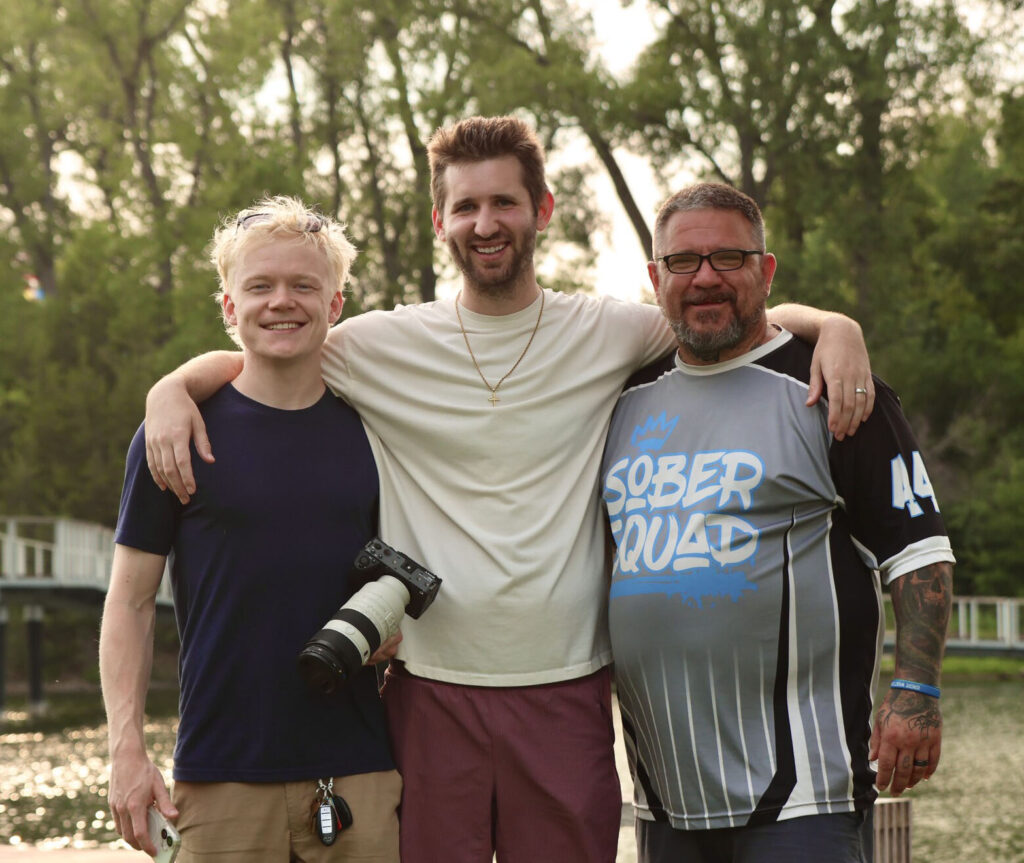
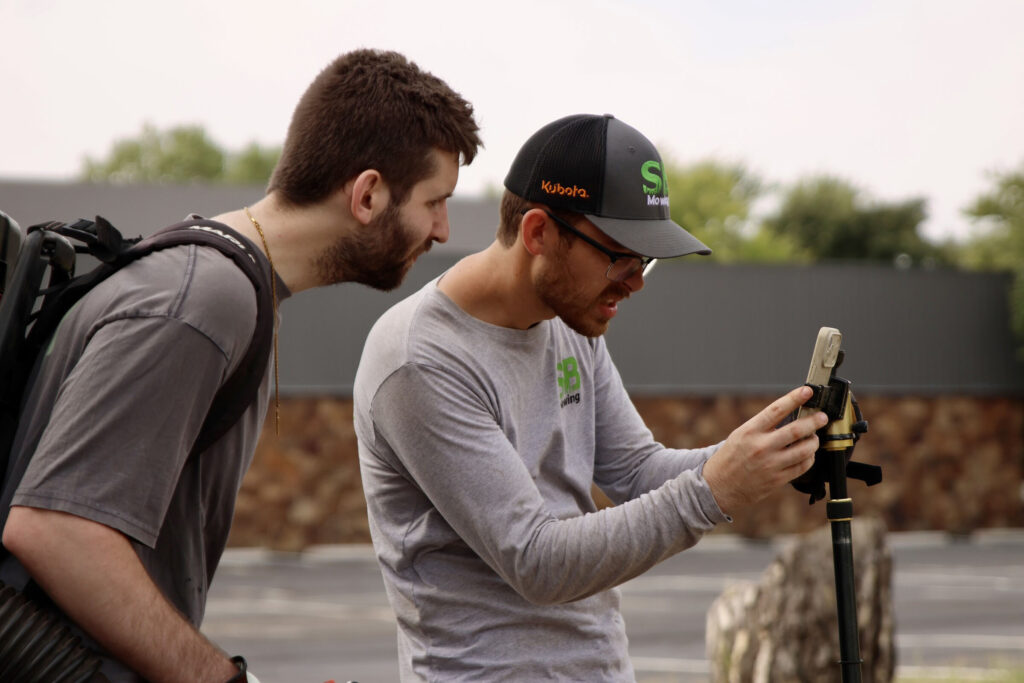
Top photo: Ben Steine, Josh Liljenquist and James Cowan Jr.
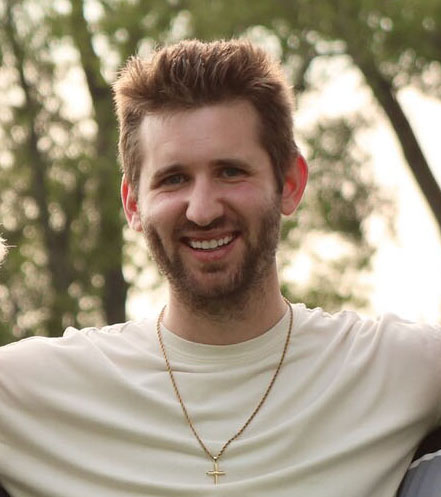
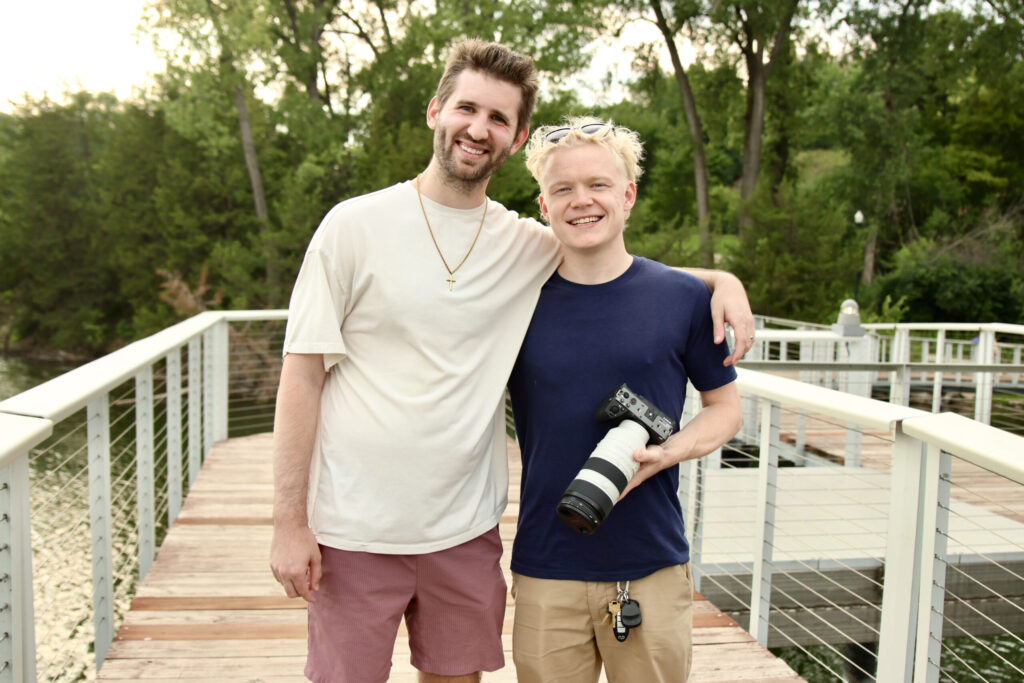
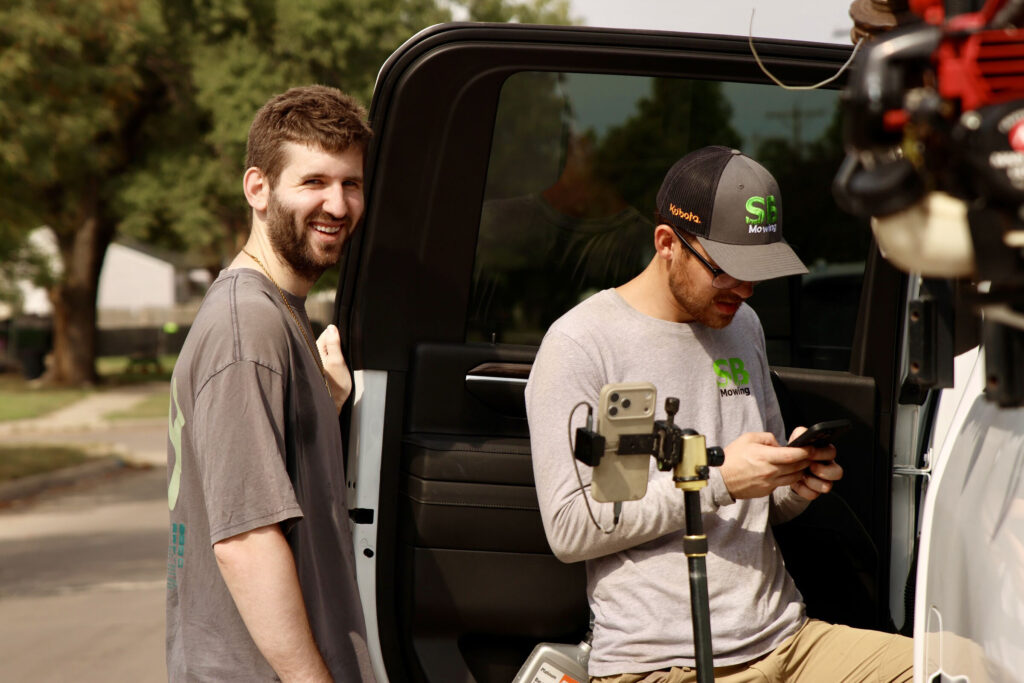
Our team is small. I lead the interviews and on-camera storytelling. Ben Steine handles much of our filming and editing. James Cowan Jr. reviews story suggestions, coordinates with participants and supports production in the field. Before we record, we need to understand the person, the need and what responsible follow-through could look like.
Before the camera turns on
We call incoming story suggestions ‘nominations,’ although they are not awards. They come from relatives, friends, coworkers and community members. James reviews them and gathers enough background for us to decide whether a conversation makes sense.
An interesting message is only a starting point. We still need to ask whether the need is current, whether the person knows their story was submitted, whether public attention could create harm and whether there is a practical way to help. We discuss what the participant is comfortable sharing and what should remain private. Filming, publishing, fundraising and follow-up are separate decisions. Agreeing to a conversation does not automatically mean agreeing to every form of exposure.
Working with real people
Once a project moves forward, we confirm the location, schedule, safety considerations, camera and audio needs, as well as the participant’s boundaries. That preparation lets us adapt when a conversation takes an unexpected turn.
I can focus on listening instead of mentally assembling the edit. Ben watches the visual and technical details. James helps with logistics and participant support. If someone becomes uncomfortable, the story has to change with them. We can pause, reframe the conversation or leave a detail out. A reaction is never more important than the person having it.
Finding the story in the footage
Post production is where the difference between recording an event and telling a responsible story becomes most visible. Ben and I begin by asking what a viewer must understand for the ending to feel earned. We keep the participant’s words and context at the center, then remove details that are private, distracting, repetitive or unsupported.
The goal is not to squeeze every fact into a short runtime. It is to preserve a clear sequence: who the person is, what they are facing, why the moment matters and what changed. We review captions and claims, distinguish what we observed from what someone reported and avoid dramatic lines that make the story less accurate. Every platform version should rest on the same factual record.
A 2026 project with DIG shows how those choices affect sponsored work. The conversation centered on a mother describing food insecurity. The edit stayed with her experience before revealing DIG’s practical support of a year of meals. If the brand had appeared before viewers understood the need, the assistance could have felt like a promotional device. Instead, it became part of the resolution. Four posts across TikTok, YouTube, Instagram and Facebook reached 6,113,223 non-unique views at our documented August 28 measurement point. That figure describes distribution, not the value of the help or a guaranteed business return.
The story after publication
James’s experience taught me that a story may continue long after the first upload. I met him while he was volunteering at a grocery store and directing support toward other people. Later, when his family faced housing instability, the public story developed through several chapters: an immediate need, a community fundraiser, a home closing and a job offer.
James now works with our team and helps review new nominations.
Each update changed what the audience could responsibly understand. Keeping dates, source links and outcomes together mattered as much as the original edit. It also reinforced that the person on the other side of the camera does not exist for one video.
Before publishing, we check for unnecessary private information, overstated claims and safety concerns. Not every project needs a fundraiser. Not every recorded moment belongs in the final cut. Sometimes the responsible choice is to remove a compelling detail or not publish at all.
A video is complete in a technical sense when it exports. The human work continues. We preserve source material and follow-up evidence so the public story does not become more certain than the facts. The final cut should help people understand what happened. The follow-through shows whether we treated the person’s story with the same care after the cameras stopped.